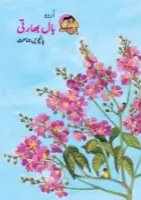
You’ll find Class 5 Balbharti- Urdu Maharashtra Textbook Bureau designed to build strong language foundations, practical vocabulary, and basic grammar through stories, poems, and simple exercises. This textbook gives you chapter‑wise lessons and exercises that make Urdu easy to follow and useful for classroom success.
Expect clear explanations, age‑appropriate stories, and exercises that map to learning outcomes so you can track progress across reading, writing, and speaking skills. The article will guide you through the book’s structure, highlight the key chapters, and show how each section supports your child’s or student’s confidence with Urdu.
Overview of Class 5 Balbharti- Urdu
This syllabus equips you with foundational Urdu reading, writing, listening, and speaking skills mapped to Maharashtra State Board standards. Materials emphasize graded vocabulary, simple grammar rules, and culturally relevant stories and poems.
Curriculum Objectives
The curriculum aims to make you comfortable with basic Urdu script (nastaliq and naskh forms where used) and common vocabulary for daily life and school contexts. It develops four language skills: reading short stories and poems, writing sentences and short paragraphs, speaking clear sentences, and understanding spoken Urdu in classroom interactions.
You learn phonics and letter formation early, then move to word families and sentence construction. Grammar focus includes simple tense usage, nouns, pronouns, adjectives, and basic verb conjugation suitable for Class 5. Cultural awareness appears through folk tales, local contexts, and poems that reflect Maharashtra’s linguistic diversity.
Assessment objectives target comprehension, written expression, and oral fluency. Activities include reading aloud, short composition tasks, comprehension questions, recitation of poems, and simple conversational practice. These tasks prepare you for higher classes by reinforcing accuracy and confidence with familiar topics.
Textbook Structure
The textbook organizes content chapter-wise with progressive difficulty. Each chapter typically contains a story or poem, vocabulary lists, comprehension questions, grammar notes, and exercises for writing and speaking.
Pages often open with an illustrated passage to support meaning and engage you visually. Vocabulary sections highlight new words with meanings and simple example sentences. Grammar boxes present rules concisely and pair them with short practice items.
Exercise types vary: multiple-choice, fill-in-the-blanks, matching, short answers, and a few guided paragraph-writing prompts. Teachers’ notes or activity suggestions sometimes appear for classroom use. The book also includes revision units and assessment samples for term exams.
Prescribed Syllabus
The prescribed syllabus follows Maharashtra State Board (Balbharati) guidelines and aligns lessons to class-term sequencing. Expect 8–12 main lessons across the year, divided into two or three terms with periodic revisions.
Core items include:
- Short stories (narrative comprehension and moral lessons)
- Poems (rhythm, recitation practice)
- Conversational dialogues (daily routines, school, family)
- Letter and sentence formation exercises
- Grammar modules (tenses, basic parts of speech)
Supplementary resources may include workbooks, chapter-wise PDFs for download, and teacher handouts for Urdu-medium students. If you need specific chapter lists or downloadable textbooks, check the Balbharati e-library or your school’s prescribed materials.
Key Chapters and Learning Outcomes
The curriculum focuses on short stories, poems, and dialogues that build reading fluency, vocabulary, and cultural awareness. You will also practice sentence structure, verb forms, and simple composition through graded exercises and activities.
Important Lessons and Authors
The textbook includes age-appropriate short stories and poems by contemporary and classical Urdu writers chosen for clarity and moral or cultural relevance. You will encounter narratives that highlight family situations, school life, festivals, and local traditions to make reading relatable.
Authors typically provide:
- Simple protagonists and clear plots for comprehension.
- Dialogues that model conversational Urdu.
- Poems with repeating refrains to support pronunciation and rhythm.
Look for lessons named as stories (dastaan), nazm (poem), and safar (short travel accounts). Each lesson ends with comprehension questions and word lists that reinforce new vocabulary and literal understanding.
Grammar and Language Skills
You will learn core grammar points aligned with communicative use rather than abstract rules. Focus areas include:
- Nouns: gender and plural forms.
- Verbs: present, past, and simple future tenses with common irregulars.
- Sentence structure: subject-object-verb word order and forming basic questions.
Exercises emphasize practical application: fill-in-the-blanks for agreement, sentence reordering, and matching verbs to subjects. Expect short writing prompts that ask you to compose five- to eight-sentence paragraphs using taught structures. The book also highlights commonly confused words and provides targeted practice to reduce errors.
Sample Activities
Activities mix individual practice, pair work, and group interaction to build speaking, reading, and writing skills. Typical tasks include:
- Reading aloud two short passages per lesson to improve fluency and pronunciation.
- Role-plays based on dialogue lessons to practice intonation and everyday phrases.
- Vocabulary games: flashcards, matching columns, and word maps for new terms.
Assessment-style exercises appear as comprehension questions, sentence completion, and simple composition prompts. Use the provided word lists and question banks to design quick quizzes or oral checks during lessons.
Leave a Reply